

Most deposit fights in Florida aren't about holes in the wall. They're about a greasy oven, a soap-scummed shower, dusty blinds and a refrigerator nobody wiped out. Those are the cheapest things for a tenant to fix and the easiest things for a landlord to charge for, which is why the move-out clean matters as much as it does.
This guide is for renters. It covers what Florida's security deposit statute actually requires of your landlord, where the line sits between normal wear and tear and a cleaning charge, the items that get deducted most often, and how to time and document the clean so you have proof if there's a dispute. If you want the full room-by-room task list, our move-out cleaning checklist for Florida pairs well with this one.
This is general information, not legal advice. For an actual dispute, talk to a Florida attorney or your local legal aid office.
What Florida law says about getting your deposit back
Florida's rules live in Section 83.49 of the Florida Statutes, and the timeline is short and specific. Once the lease ends and you've moved out, the landlord takes one of two paths. If they aren't claiming anything, they have 15 days to return your deposit (plus interest, if your lease or the statute requires it). If they want to keep any part of it, they have 30 days to send you a written notice of their intent to impose a claim, stating the amount and the reason.
That notice goes by certified mail to your last known mailing address, or by email if you and the landlord both signed an electronic-notice addendum under Section 83.505. You then have 15 days from receiving it to object in writing. If you don't object, the landlord can take the amount claimed and must send you the balance within 30 days of the date on the notice. Missing the 30-day notice window costs the landlord the right to make a claim against the deposit, although they can still sue separately for damages. In a court case over the deposit, the winning side can recover court costs and a reasonable attorney's fee.
Two practical takeaways. Give your landlord a forwarding address in writing, because notices go to your last known address. And if you're leaving before the lease ends, the statute expects at least 7 days of written notice (by certified mail or hand delivery) unless your lease says otherwise. Skipping that notice relieves the landlord of the 30-day notice requirement, though it doesn't erase your right to the deposit.
- Day 0: lease ends and you've moved out. Forwarding address already given in writing.
- By day 15: full deposit returned if there's no claim.
- By day 30: written notice of any claim, with the amount and reason.
- Within 15 days of receiving a notice: your written objection, if you disagree.
- Within 30 days of the notice date: the landlord sends whatever balance remains.
Normal wear and tear, damage, and plain dirt
The statute itself doesn't define normal wear and tear. In practice, leases, inspection reports and court decisions draw the line, and it generally falls here: a landlord shouldn't charge you for the ordinary aging of a place you lived in carefully, but can charge for damage and for leaving it dirtier than you found it.
Wear and tear usually means things like sun-faded paint, light traffic paths on carpet, a few small nail holes from pictures, minor scuffs, and grout that has darkened a bit with age. Damage is a burn on the counter, a large hole, pet stains, or a broken appliance shelf. Dirt is its own category, and it's where tenants lose the most money without realizing it. Baked-on grease, mildew you let grow in the shower, a layer of dust on every blind, and trash left in the garage aren't wear and tear. They're a cleaning bill.
Read your lease before you start. Some Florida leases require the unit to be returned in the same condition as move-in, and some require professional carpet cleaning or a receipt for it. If yours has a move-in inspection report or photos, pull them out. That report is your baseline, and anything that was already there on day one shouldn't land on your bill.
The cleaning items landlords deduct for most often
Property managers tend to walk a unit in the same order every time, and the same spots come up on deduction notices again and again. Spend your effort here first.
- Oven and stovetop: baked-on grease, a dirty oven floor, the glass door and the drawer underneath. This is the single most common cleaning charge we hear about.
- Refrigerator and freezer: shelves, drawers, door gaskets and the floor underneath. Leave it running and empty unless your landlord says otherwise, since a closed, unplugged fridge can grow mildew fast in Florida heat.
- Bathrooms: soap scum, hard-water scale on glass and fixtures, and mildew in grout and caulk. Our guides to hard water stains in Central Florida and removing mildew from a Florida shower cover the stubborn parts.
- Baseboards and door frames: dust, pet hair and scuff marks, especially in hallways.
- Blinds: a wipe of each slat, top and bottom. Dusty blinds get flagged constantly and take longer than people expect.
- Floors: grout lines on tile, corners, and the strips under the fridge and stove that nobody sees until the appliances move.
- Walls: fingerprints around switches, scuffs where furniture sat. Spot-test any melamine sponge on a hidden area first, because it can leave shiny patches on flat paint.
- Sliding door and window tracks, ceiling fans and the AC return grille: sand, pollen and dust collect in all three in a Florida home.
- Trash and leftover items: anything left behind becomes a hauling charge, so clear the garage, closets and lanai completely.
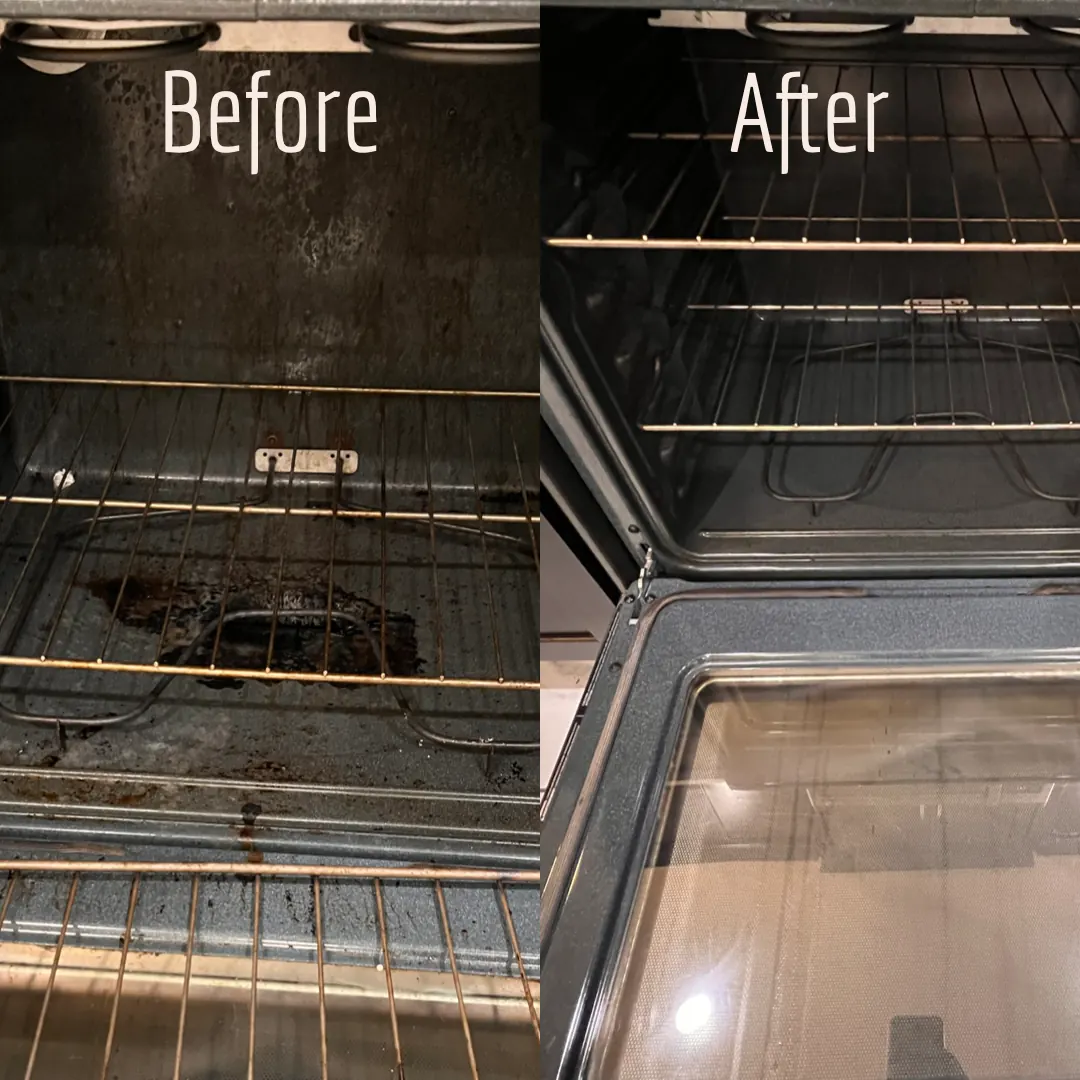
Photos that hold up if there's a dispute
Documentation is what turns a disagreement into a short email instead of a small claims case. The goal is to show the condition of the unit at the moment you handed it back, with a date attached.
After the final clean, before you return the keys, do a slow video walkthrough of every room, then take still photos of the areas on the deduction list above. Open every appliance and cabinet on camera. Then email the files to yourself and keep the originals, so the timestamps survive. If you hired a cleaner, keep the receipt and the list of what was done.
- Wide shot of each room from the doorway, then each corner
- Inside the oven, fridge, freezer, microwave and dishwasher, doors open
- Shower, tub, toilet, sink and the grout lines up close
- Floors along baseboards, and under where the fridge and stove sit if you can pull them out
- Blinds, ceiling fans, window sills and the sliding door tracks
- Close-ups of anything that was already damaged at move-in, next to the move-in photo if you have it
- Keys, garage remotes and fobs on the counter, so the return is documented
Time the clean after the movers, not before
The most common mistake is cleaning a unit and then moving furniture out of it. Movers track in sand, drag dollies along baseboards and leave dust where every couch and dresser used to stand. Clean once the rooms are empty, ideally the day after the truck leaves or the same afternoon if you're tight on time.
Keep the power and water on until the clean and the walkthrough are done. Cleaning without lights, hot water or a running fridge is miserable, and in a Florida summer a closed unit without AC can start to smell musty within days. If you can schedule your walkthrough with the landlord or manager right after the clean, do it, and ask them to note anything they'd charge for while you're both standing there.
End of the month is the busiest time for move-out cleans, since so many leases turn over on the 30th or 31st. Book a week or two ahead if you're hiring help.
When hiring a move-out clean pays for itself
Doing it yourself is completely realistic for a small apartment if you have a full day and the oven isn't a disaster. Hiring it out starts to make sense when the deposit is bigger than the cost of the clean, when you've already moved away, when you're juggling a job and a move in the same week, or when the bathrooms and kitchen have years of buildup that need more than a weekend.
Our move-in and move-out cleaning is built around the same list landlords inspect. Inside the oven, inside the fridge, blinds and baseboards can all be part of it; if you only need a few of those, our add-on cleaning services let you pick. We can work from a lockbox or code if you've already left, and we use non-toxic products like Bon Ami. If you look at something afterward and it isn't right, tell us within a day and we'll come back and redo it free.
To be clear about limits: we don't do carpet steam cleaning, junk removal, painting or repairs, and no cleaner can promise how a landlord will rule on your deposit. What a professional clean does is take the cleaning items off the table. Krystal View handles move-out cleans across Polk, Osceola, Orange, Lake and Seminole counties. Request a free estimate or call +1 877-754-5614, and tell us your move-out date and walkthrough time so we can schedule the move-out clean before it.


